Offer
Provide additional details about the offer you're running.
FLASHSALE
Made with the dedication and expertise of our tea partners in Japan.
Join our founder, Elias, on a tour to understand how our partners in Japan grow, harvest and process tea leaves.
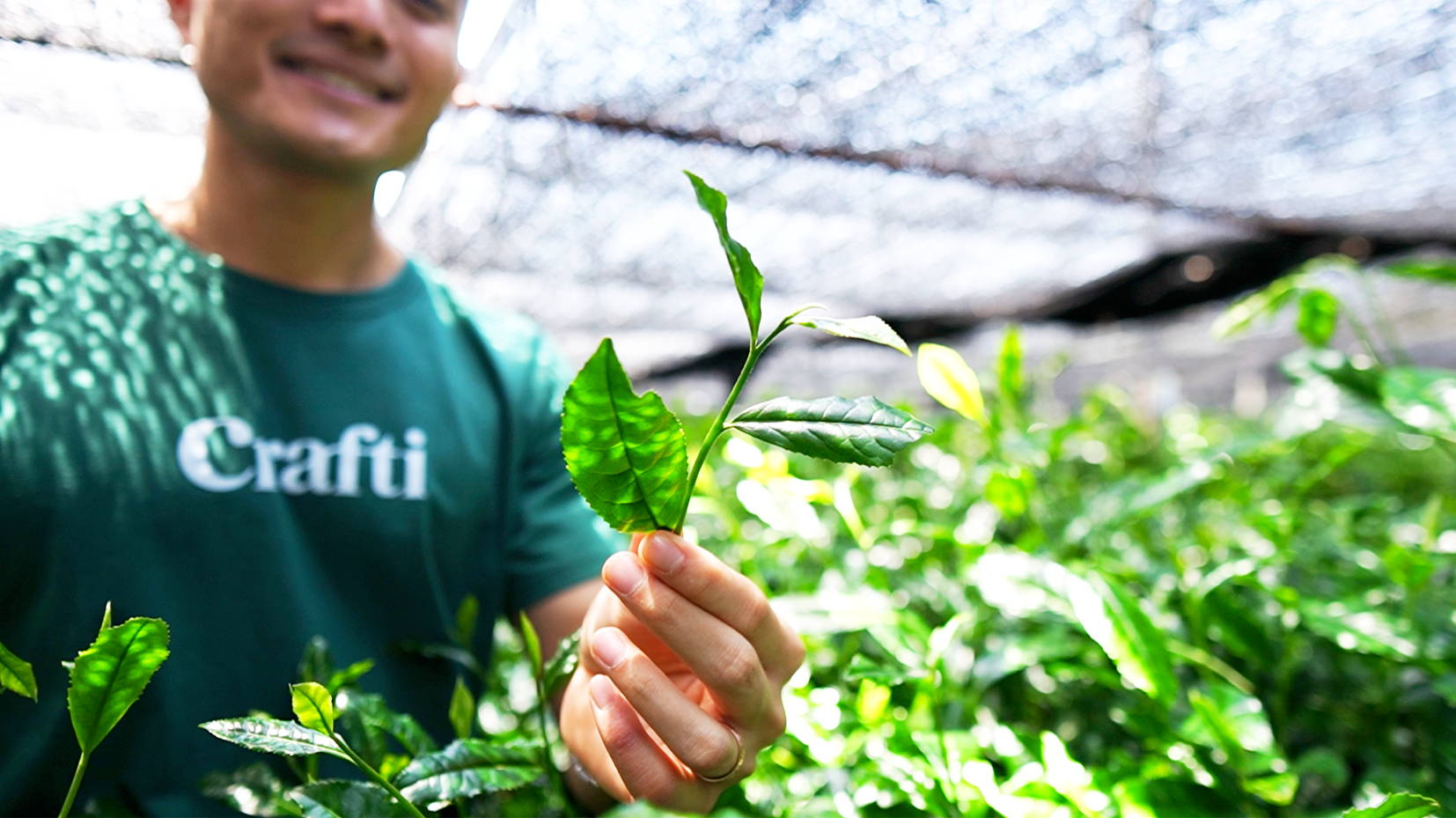
Cultivars of the tea plants have been cultivated for hundreds of years. Care is taken to ensure that the buds last the winter frost.
Tea plants are grown in hilly terrain, like the mountainous region of Wazuka in Kyoto, with nutrient-dense soil.
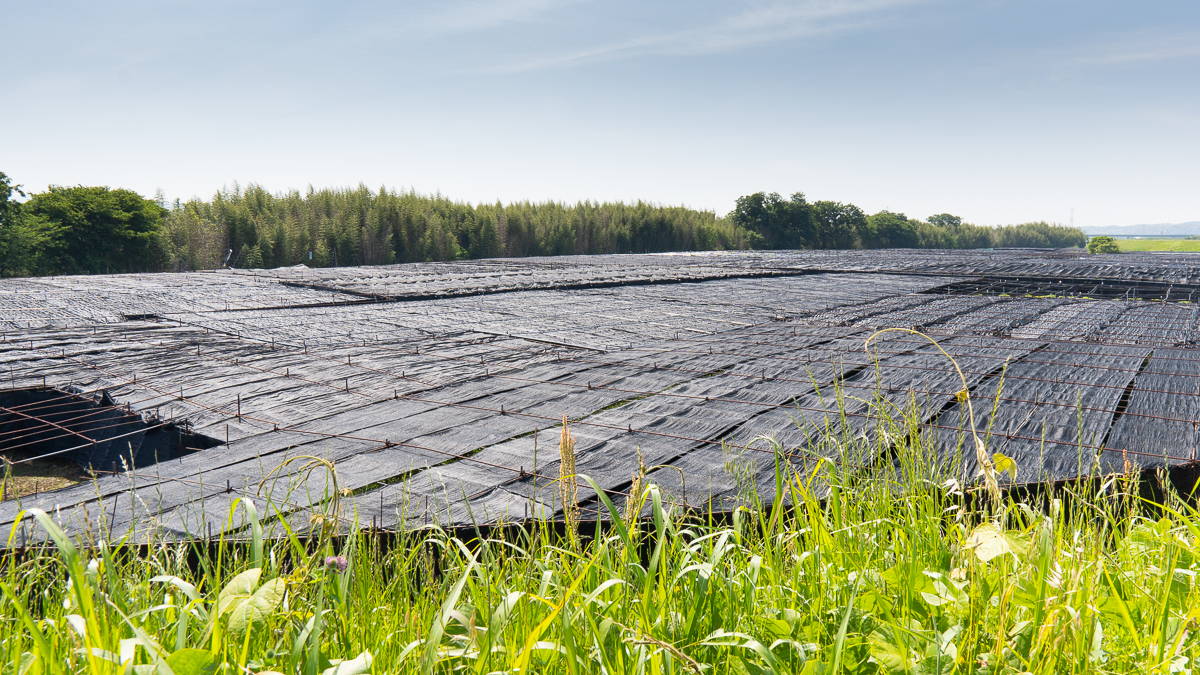
About 3 weeks before the spring harvest, the tea plants are shaded with black covers to reduce the sunlight absorbed by around 96%. This shading process is crucial.
First, shading stimulates additional chlorophyll production, increasing the nutrient content.
Second, shading reduces the bitterness of the tea leaves, creating a delicate sweetness not present in other types of tea.
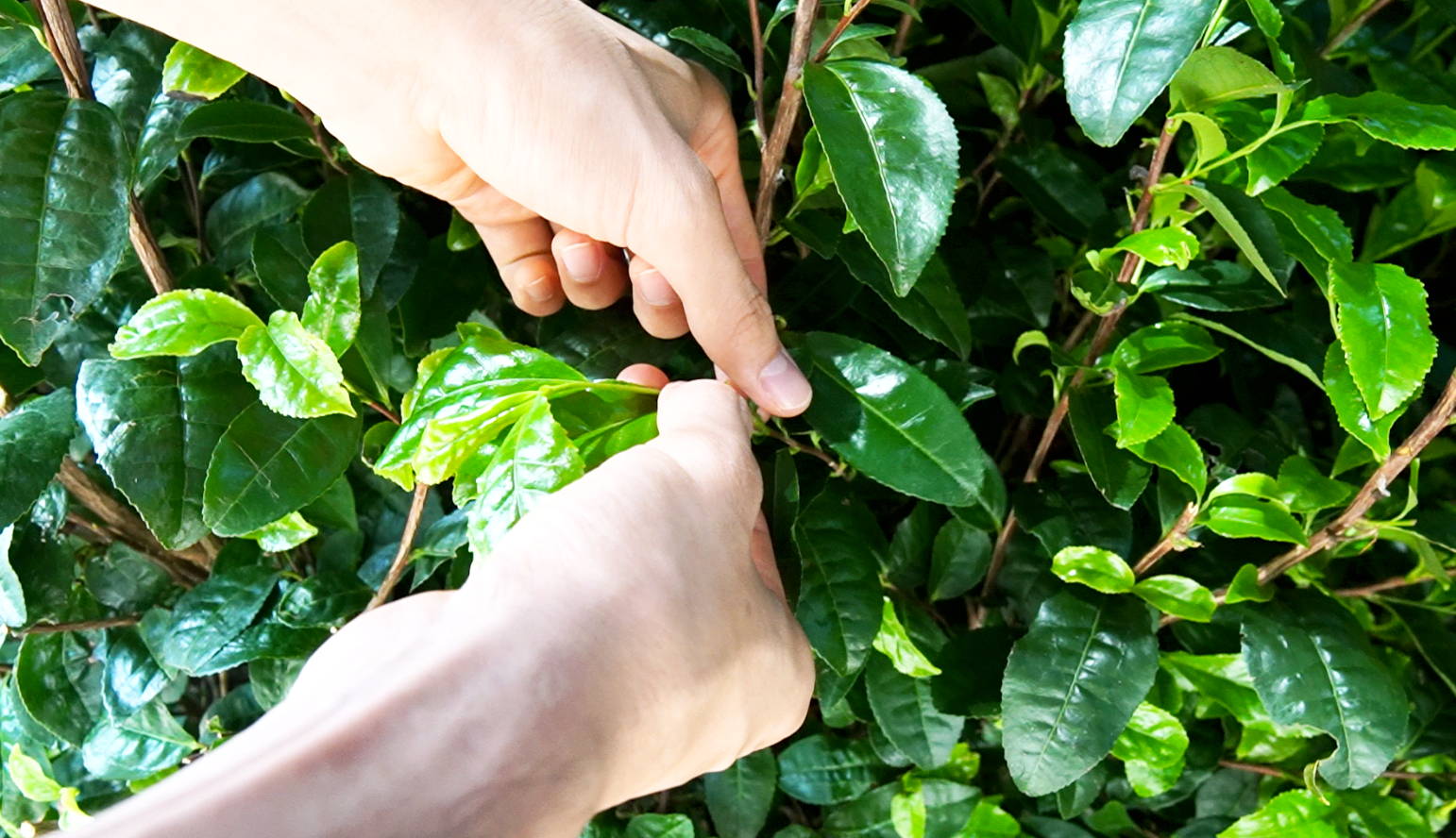
Tea leaves used for ceremonial Matcha are hand-picked to ensure the highest quality.
The youngest and most tender leaves are selected because they have a milder flavour and smoother texture.
This hand-picking process takes place in early May (called the 'first flush').
After harvesting, the tea leaves are immediately steamed to prevent oxidation.
The steaming process denatures the enzymes responsible for oxidation, while preserving the bright green color and freshness of the leaves.
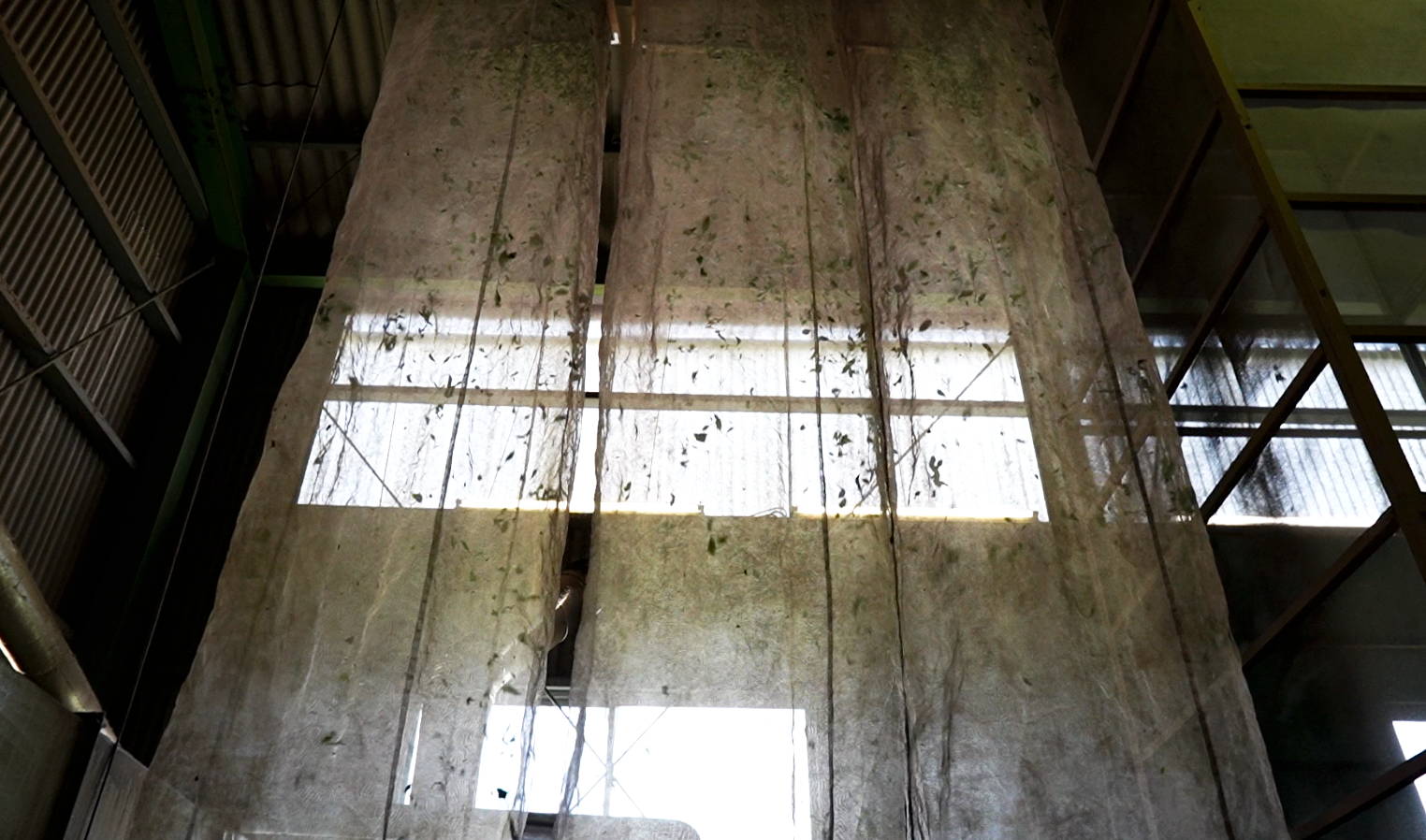
The steamed tea leaves are then dried, traditionally using hot ovens or drying pans.
This removes any remaining moisture from the leaves and prepares them for the next step.
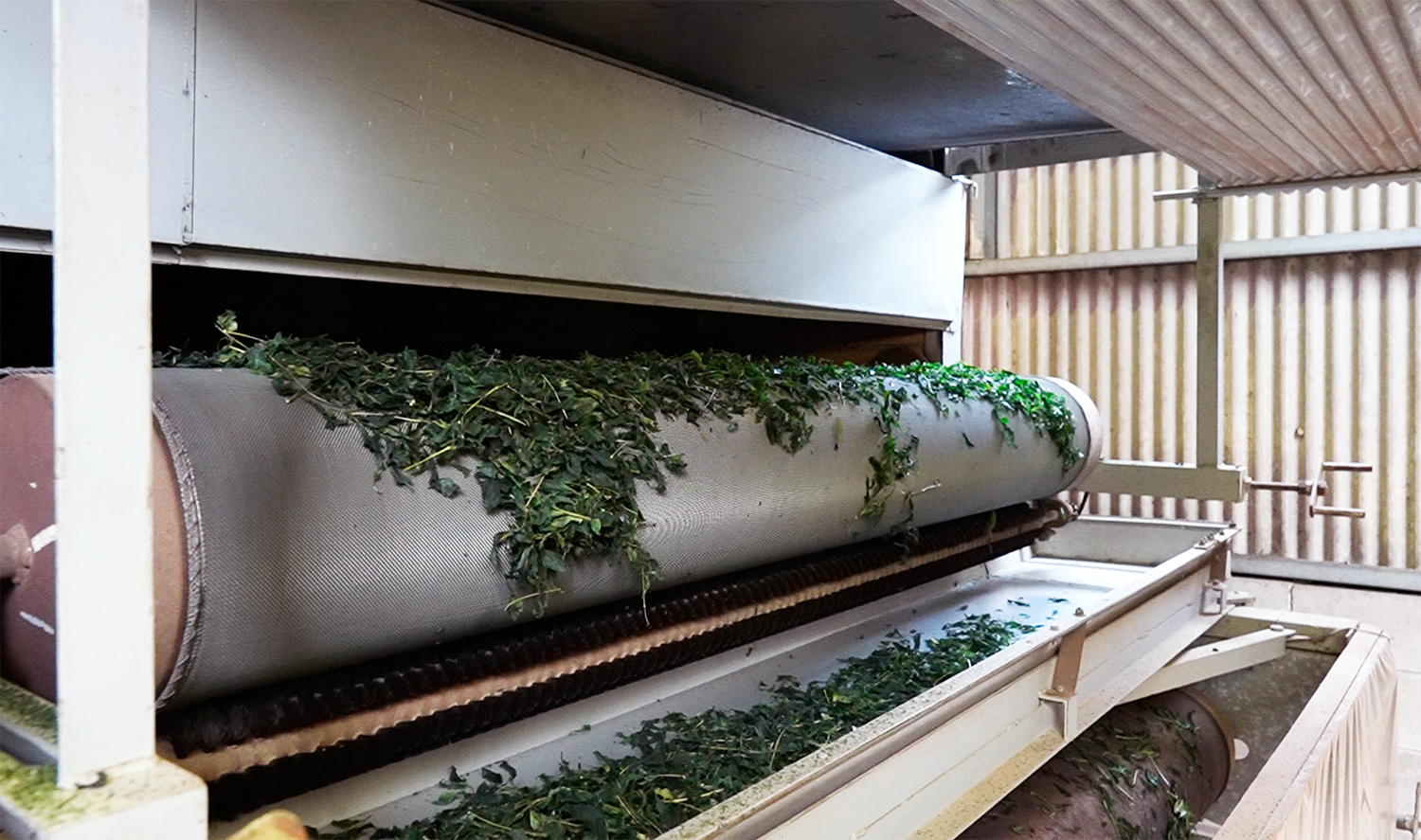
The stems and veins of the tea leaves will be removed, and then cut into smaller pieces to form 'Tencha', the precursor to Matcha.
Tea masters usually use Tencha from different cultivars to create a Matcha blend.
To keep the taste of the Matcha consistent, they may vary the proportion of cultivars with each harvest.
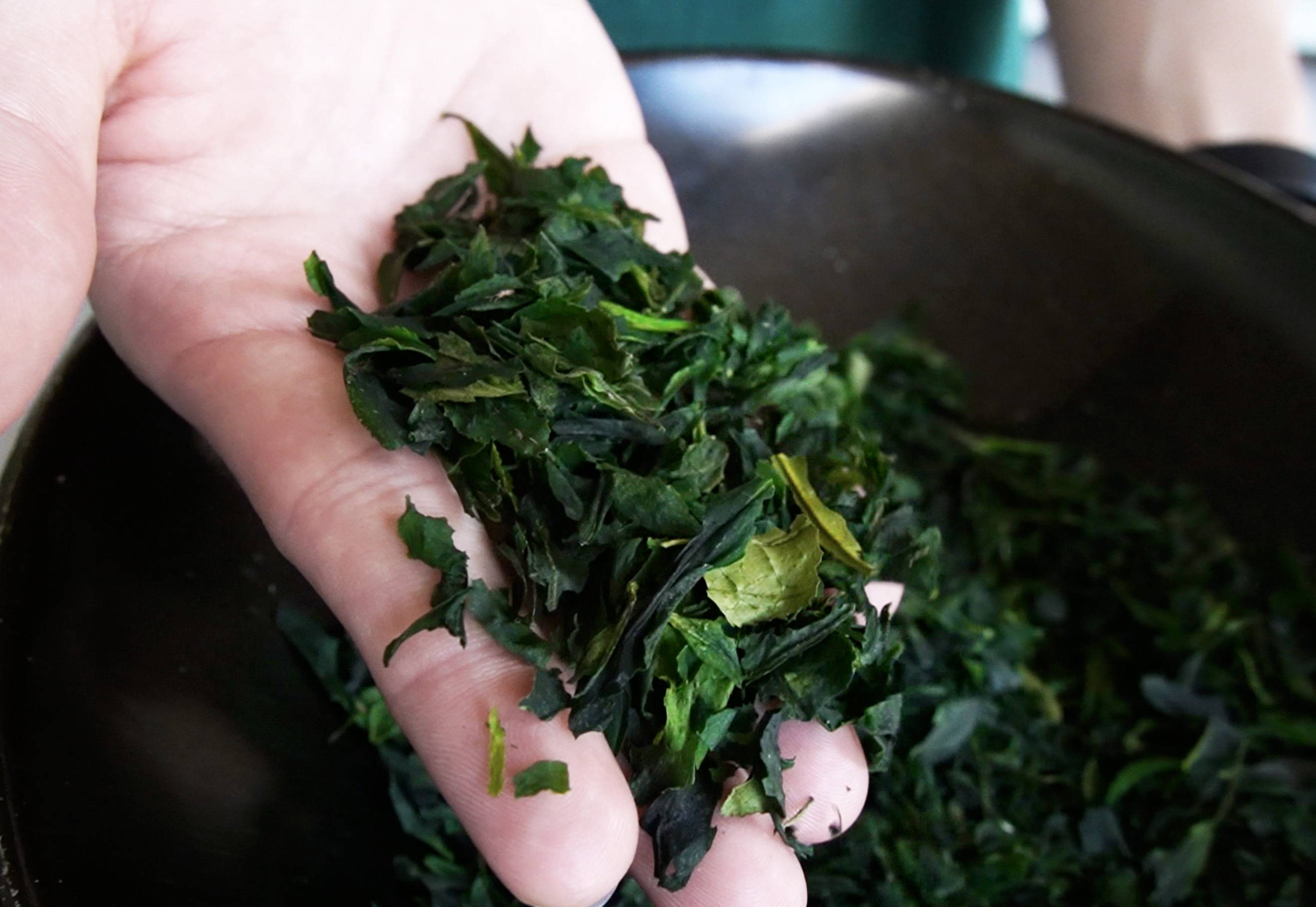
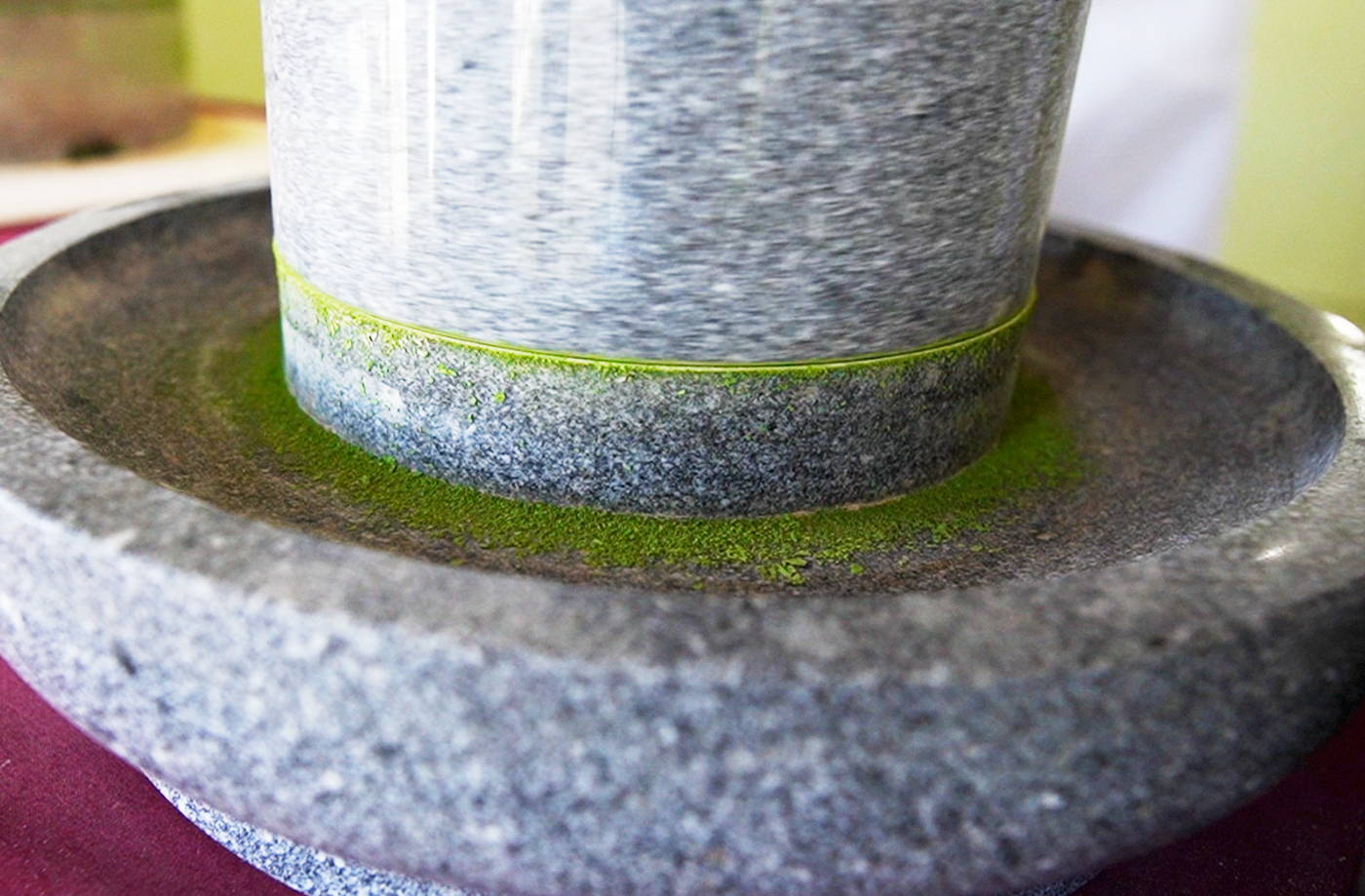
Tencha is carefully ground into a fine powder using traditional granite mills.
This process takes 1 hour just to produce just a small amount of matcha (~30-40g).
Grinding has to be done slowly and meticulously to prevent the tea from heating up, as excess heat will cause Matcha to lose its flavor and nutritional properties.
The Matcha powder is air-flown to Singapore in bulk.
Matcha oxidises easily in hot weather, so we keep all bulk Matcha fresh in a refrigerated facility.
Your Matcha is carefully packed in an SFA-certified facility in Singapore before being assembled (with love) and sent to your doorstep.